Cool air, heating and air conditioning all pull moisture from the skin. Gentle cleansing, hydrating ingredients such as hyaluronic acid and peptides, and daily SPF keep it healthy through the cooler months.
The biggest skin problems in winter, and their solutions
In cooler months, dry outdoor air meets heated or air-conditioned rooms. The result is often dry skin that flakes and itches.
Why does this happen?
Cold air and low humidity pull moisture from the skin, and heated or air-conditioned indoor air dries it further. The changing conditions also weaken the skin's natural protective barrier, making it more easily irritated. On top of that, the skin produces less sebum in winter, so it holds on to moisture less well.
What can you do about it?
A consistent routine with gentle cleansing and hydrating ingredients is the best protection against dry, flaky skin and redness.
Cleanse gently
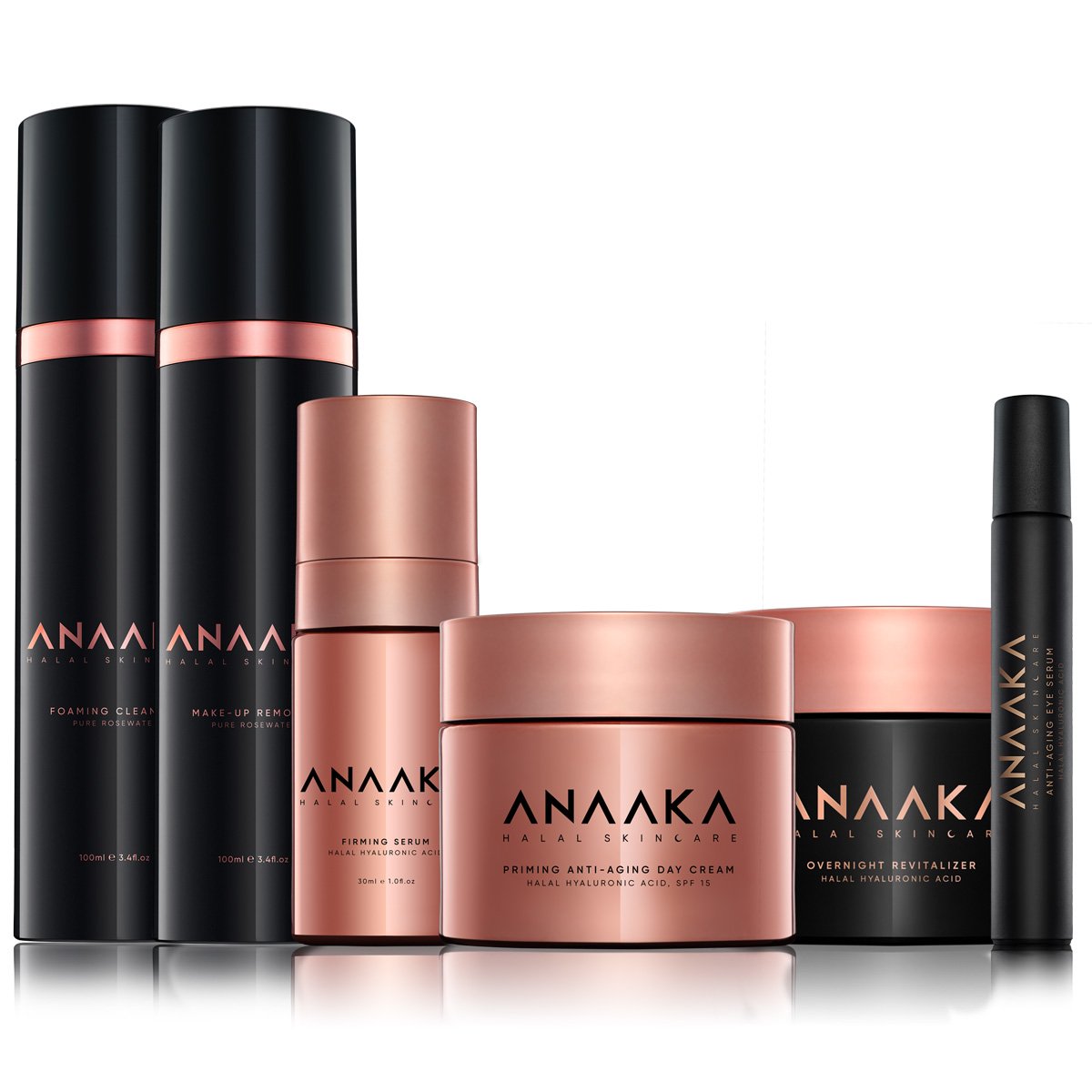
The ANAAKA Foaming Cleanser and Makeup Remover are free from harsh chemicals and drying alcohols. They remove makeup, dirt and deposits without stripping the skin, and ingredients such as allantoin and glycerin help it stay comfortable.
Key ingredients for the cold season
Hyaluronic acid
Hyaluronic acid can bind many times its own weight in water, so it plays a central role in keeping skin hydrated, plump and elastic and in softening fine lines caused by dryness. You'll find halal-certified hyaluronic acid in the Priming Anti-Aging Day Cream SPF 15 and the Firming Serum.
Peptides
Peptides are short chains of amino acids that help strengthen the skin barrier, support collagen production and keep the skin firm. They can also help calm redness and irritation caused by cold air or hot showers. The ANAAKA Firming Serum contains copper tripeptide-1.
Lactic acid
Lactic acid is a gentle exfoliant that removes dead skin cells without harsh irritation, leaving skin smoother. It is also a natural humectant that attracts moisture and binds it in the skin, which is valuable when the air is dry.
Practical winter tips
1. Use the right care
A routine built around hydration is the foundation for a healthy, radiant complexion in winter.
2. Avoid very hot water and long showers
Hot water and long showers strip the skin of natural moisture. Keep showers to around 10 to 15 minutes and pat the skin dry instead of rubbing.
3. Moisturise straight after cleansing
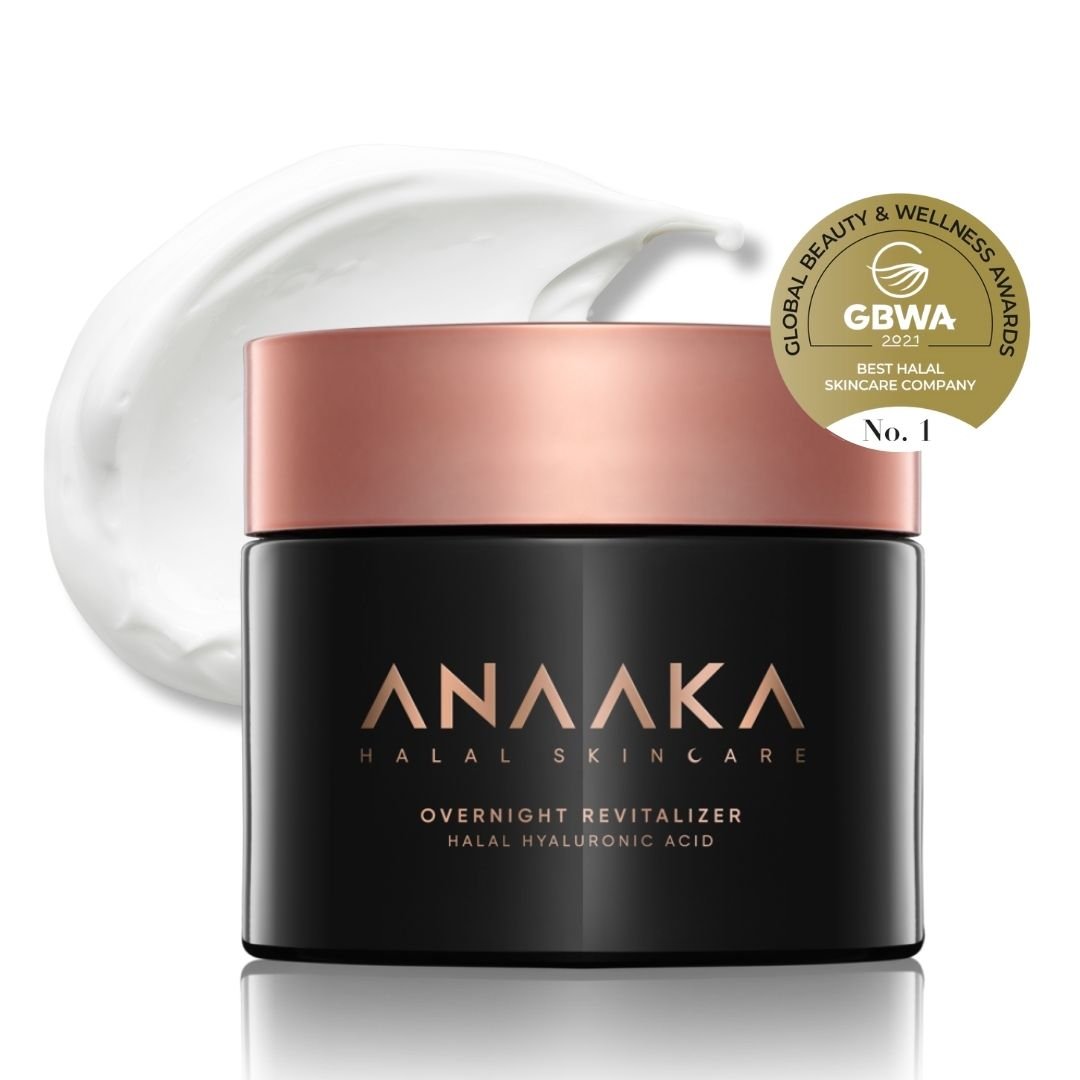
Apply your cream while the skin is still slightly damp, so it seals in moisture. At night, the Overnight Revitalizer gives long-lasting hydration.
4. Don't forget sun protection
UV rays damage the skin in winter too. Use a day cream with SPF, such as the Priming Anti-Aging Day Cream SPF 15.
5. Care for your lips
Lips dry and crack quickly in cool, dry air. Carry a rich lip balm with ingredients such as shea butter or ceramides.
Frequently asked questions
Why does my skin get drier in winter?
Low humidity outdoors, heated or air-conditioned air indoors and lower sebum production all reduce the skin's ability to hold moisture.
Does air conditioning dry out the skin?
Yes. Air conditioning lowers indoor humidity, so regular moisturising matters all year round in the Gulf.
Do I need SPF in winter?
Yes. UV rays reach the skin in every season, so a daily SPF day cream is recommended.